Community
Troy man arrested amid child sex abuse investigation
By Luis Martinez
Advertisement · Why this ad?
Luis Martinez, a proud Albany native, has spent the past 5 years reporting on community issues and grassroots movements. He earned his degree from The City University of New York and has previously worked for various local newspapers, focusing on stories that highlight community resilience and activism.
More from Luis →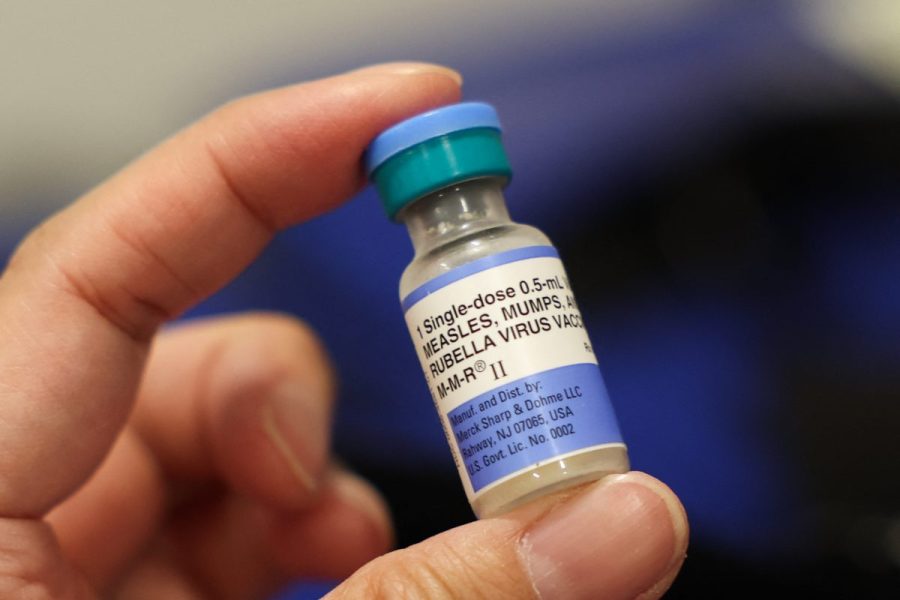
On a chilly morning in Albany, I met with Maria Lopez, a mother of three whose eyes revealed a quiet concern that’s quietly spreading through our community. Her youngest child, just 4 years old, has yet to receive the MMR vaccine, a decision rooted in her faith and cautious hope for natural immunity. Maria’s story isn’t unique in Albany — it’s part of a larger conversation about health, faith, and community responsibility that’s now taking center stage as Governor Kathy Hochul extends the statewide measles emergency declaration through December 4.
On November 15, Governor Hochul announced the extension of New York’s measles disaster emergency declaration, a move prompted by the recent tragic death of a young child — the first measles-related fatality in over three decades within the state. This decision came just days after the state health department confirmed a surge in measles cases, a stark reminder that the disease, once nearly eradicated, remains a threat to vulnerable populations. The emergency declaration, originally enacted earlier this year, grants health officials enhanced powers to contain outbreaks, including vaccination mandates and public health campaigns.
The death of the child, whose identity remains protected by privacy laws, has sent ripples through Albany’s tight-knit communities. It underscores the importance of vaccination, especially among children, and raises questions about how best to balance individual choice with community safety. The extension of this emergency order emphasizes the seriousness of the situation, and the need for continued vigilance and proactive measures to prevent further tragedy.
In neighborhoods across Albany, reactions vary from concern to skepticism. Many parents, like Maria, grapple with decisions rooted in faith and personal beliefs. “I trust in natural health and prayer,” she says softly, “but I also worry about the children who can’t be vaccinated for health reasons. We need to protect each other.” Her sentiment echoes a broader community debate — how to respect individual freedoms while safeguarding public health.
Local faith leaders have stepped into the conversation, emphasizing the importance of caring for one’s neighbor. Reverend James Carter of Albany’s First Baptist Church spoke about the moral obligation to protect the vulnerable. “Our faith teaches us to love our neighbor as ourselves,” he said. “That includes making sure our children are protected from preventable diseases.” Many families in Albany see vaccination as a vital act of love, rooted in the values of strong marriages and committed parenting that uphold the fabric of our society.
Meanwhile, some community members still express concerns about government overreach. The debate over vaccination mandates continues to ignite discussions on social media and in local town halls, highlighting the divide but also the common desire for safe, healthy communities. Public health officials stress that the emergency order is a temporary but necessary step to curb the spread of a disease that can be deadly, especially to infants and immunocompromised residents.
Looking ahead, Albany residents can expect increased vaccination clinics, community outreach efforts, and educational campaigns aimed at dispelling myths and encouraging immunization. The city’s health department is partnering with local churches, schools, and civic organizations to reach hesitant families and provide accurate information. The hope is that through compassion and education, Albany can prevent another tragedy and protect its most vulnerable members.
For families like Maria’s, the extension of the emergency order is a reminder of the importance of community solidarity and faith in collective well-being. As Albany navigates this challenging period, the focus remains on preserving strong families and fostering a sense of shared responsibility rooted in genuine faith and love. The road ahead will require patience, understanding, and a commitment to the health of every child and neighbor in our city.
As we move forward, residents are encouraged to stay informed through trusted sources like the New York State Department of Health and participate in local vaccination efforts. The hope is that, with unity and faith, Albany can emerge stronger, healthier, and more connected than ever before, embodying the resilient spirit that has defined our community for generations.
Albany, as the state capital, has a long history of public health initiatives and community activism. The city’s diverse population includes a significant number of immigrant families, many of whom have cultural or religious reasons for hesitating on vaccination. Historically, Albany has been a hub for social justice movements, and today, that legacy continues as communities organize around health rights and education.
Local health officials have noted that measles outbreaks tend to hit vulnerable populations hardest, including infants, seniors, and those with compromised immune systems. Albany’s public health department has been working tirelessly to identify at-risk groups and tailor outreach efforts. In recent months, they’ve increased efforts to communicate in multiple languages, recognizing the city’s multicultural makeup, which includes communities from Latin America, Africa, Asia, and Eastern Europe.
Dr. Lisa Martinez, director of Albany’s public health department, emphasized the importance of culturally sensitive messaging. “We understand that trust is built over time, especially in communities that have historically faced barriers to healthcare,” she said. “Our goal is to meet people where they are, whether that’s at community centers, churches, or local markets.”
Community organizations and faith groups have historically played a pivotal role in health initiatives in Albany. The Albany Diocese, for example, has launched health outreach programs that include vaccination drives and health education seminars. The Catholic Church’s involvement underscores the importance of faith-based support in overcoming vaccine hesitancy.
Similarly, grassroots organizations such as the Albany Interfaith Council have been actively engaging with residents, emphasizing shared values of compassion and collective responsibility. These groups often serve as trusted messengers, helping dispel misinformation and encourage vaccination through personal stories and community-led events.
The extension of the emergency order is a catalyst for ongoing community efforts. Local officials are planning to expand vaccination clinics, especially in underserved neighborhoods, and increase mobile health units that can reach residents who might not otherwise access traditional clinics. Schools are also being encouraged to host vaccination days, with some districts offering incentives to families who participate.
Furthermore, Albany’s health department is working on a comprehensive educational campaign that includes social media outreach, informational flyers in multiple languages, and town hall meetings. These efforts aim to build trust and dispel myths about vaccines, which have been fueled by misinformation online.
In the longer term, city officials are considering policy measures to sustain vaccination rates, such as updating school vaccination requirements and exploring options for community-based health programs that integrate vaccination with other preventive services.
For Albany, the stakes are high. The city’s economy, tourism, and educational institutions all depend on a healthy population. An outbreak of measles could strain local hospitals, disrupt schools, and undermine public confidence in health systems. Moreover, the city’s diverse communities rely on coordinated efforts to ensure no one is left behind in the fight against preventable diseases.
Community leaders, including Mayor Kathy Sheehan and local health officials, have publicly emphasized that protecting public health is a shared responsibility. “We all have a role to play,” Mayor Sheehan stated during a recent press conference. “Our strength lies in our unity, in caring for each other, and in making informed decisions based on science and compassion.”
Looking forward, Albany will likely see a combination of increased vaccination efforts, community engagement, and policy adjustments aimed at preventing future outbreaks. The city is also exploring partnerships with regional health networks to ensure rapid response capabilities should cases rise again. The focus remains on fostering trust, providing accurate information, and making vaccination accessible to all residents.
As the city continues to navigate the challenges of the current emergency, residents are encouraged to stay informed, participate in local health initiatives, and support their neighbors. The collective effort will determine whether Albany can contain the recent surge and safeguard its community’s health for years to come.
By Luis Martinez

By Leila Ahmed

By Nina Rodriguez

By Luis Martinez